Multimodal Grammar
This 6-year project challenges traditional rule-based views of syntax by exploring the ways in which syntax is grounded in embodied interaction across languages and cultures.
Building on the intriguing idea of “linguistic bodies” (Di Paolo et al. 2018), the project places interacting bodies at the center of human sense-making. The aim is to examine whether syntax is but one part of communication, whose systematic properties are best understood in relation to how people coordinate bodily actions in interaction.
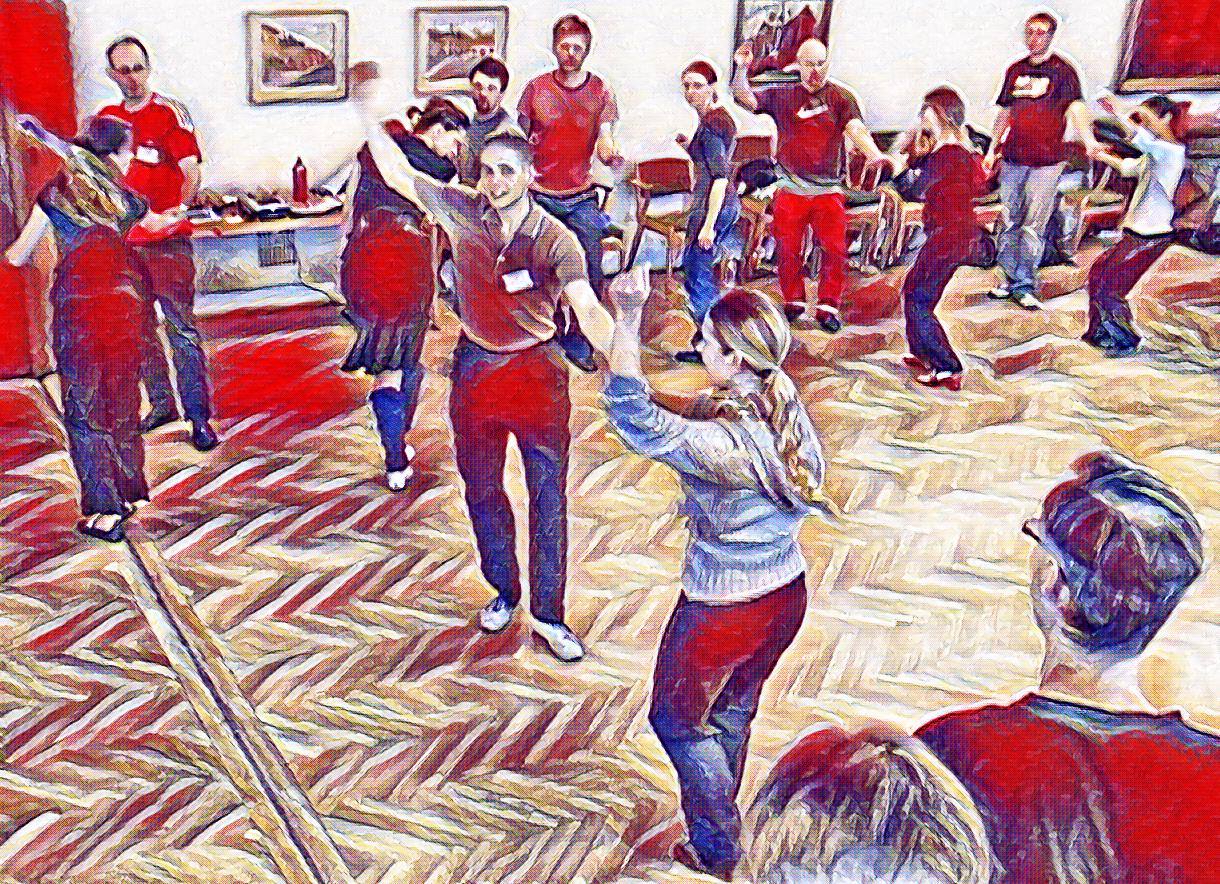
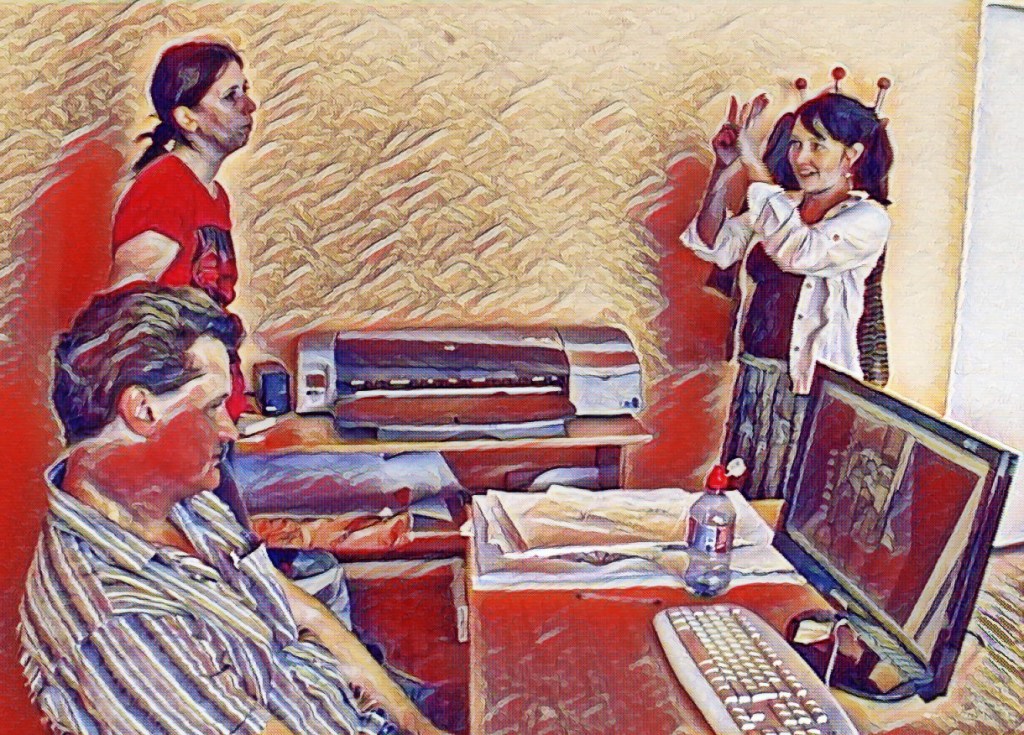
By combining methods from ethnomethodological Conversation Analysis, Interactional Linguistics, and functional grammar, the project looks for regular patterns between participants’ bodily positions and movements and the types of syntactic structures they use. It draws on video-recorded interactions in six typologically diverse languages.
The project develops an empirically based theory of embodied syntax, reveals cross-linguistic differences, and advances dialogic, functional accounts of language, with implications for language education and digital interaction design.
The project is funded from 2025 to 2030 by a Research Environment Grant from the Swedish Research Council (no. 2024-01863).
Research Aims
The research environment addresses the following research questions:
– How are syntactic structures and bodily conduct coordinated to perform social actions? Is there evidence for routinization of syntactic-bodily practices (across languages)?
– In what ways are such practices contingent upon the local interactional context? How are boundary phenomena between linguistic and bodily expressions, such as nonlexical vocalizations, involved in these formats?
– How is the sensing and moving body implicated in producing syntax and prosody?
– What can a multimodal analysis contribute to our understanding of the structuring of syntactic constructions and their function in projecting and completing speaker turns?
Key activities explored
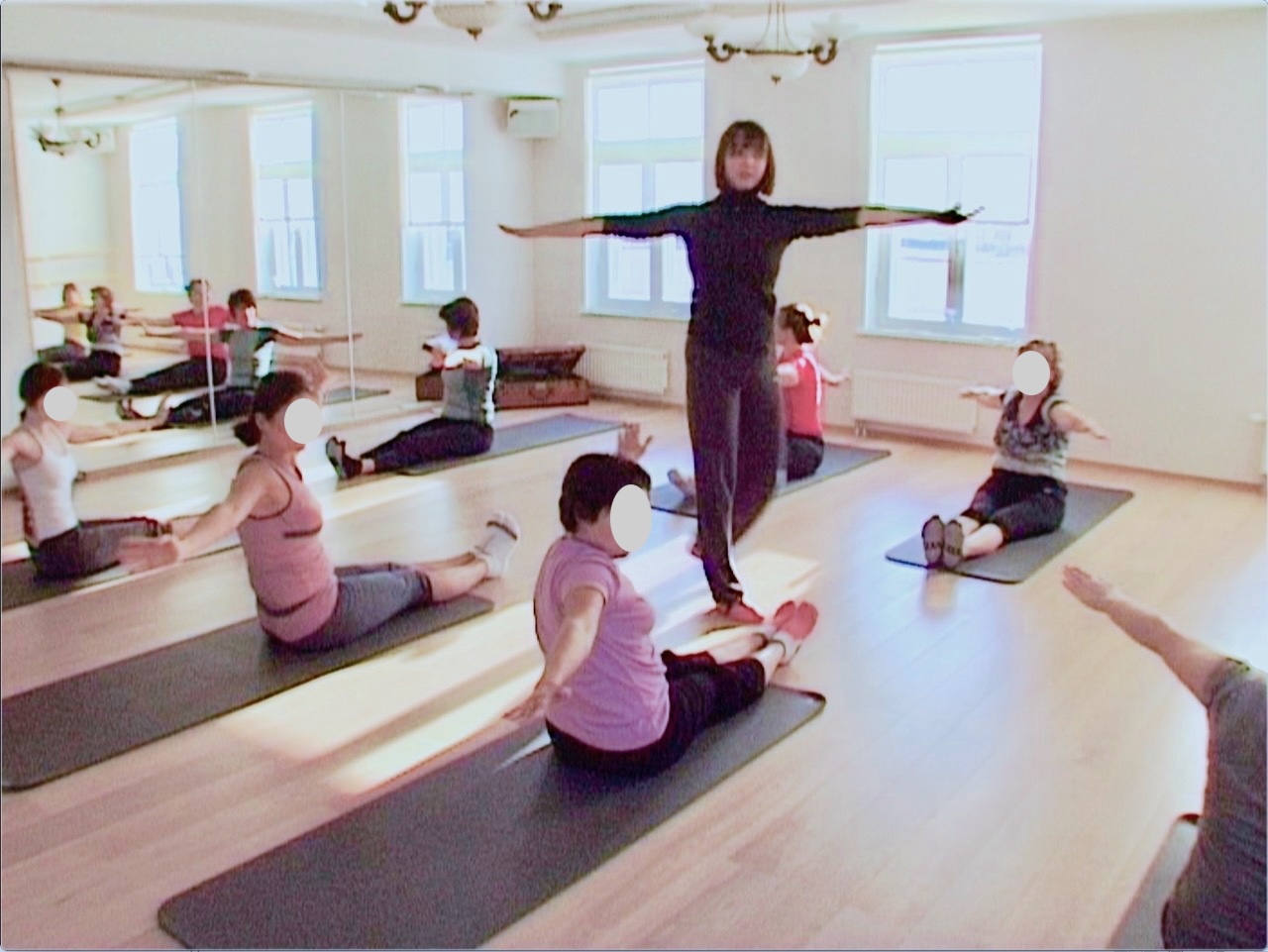
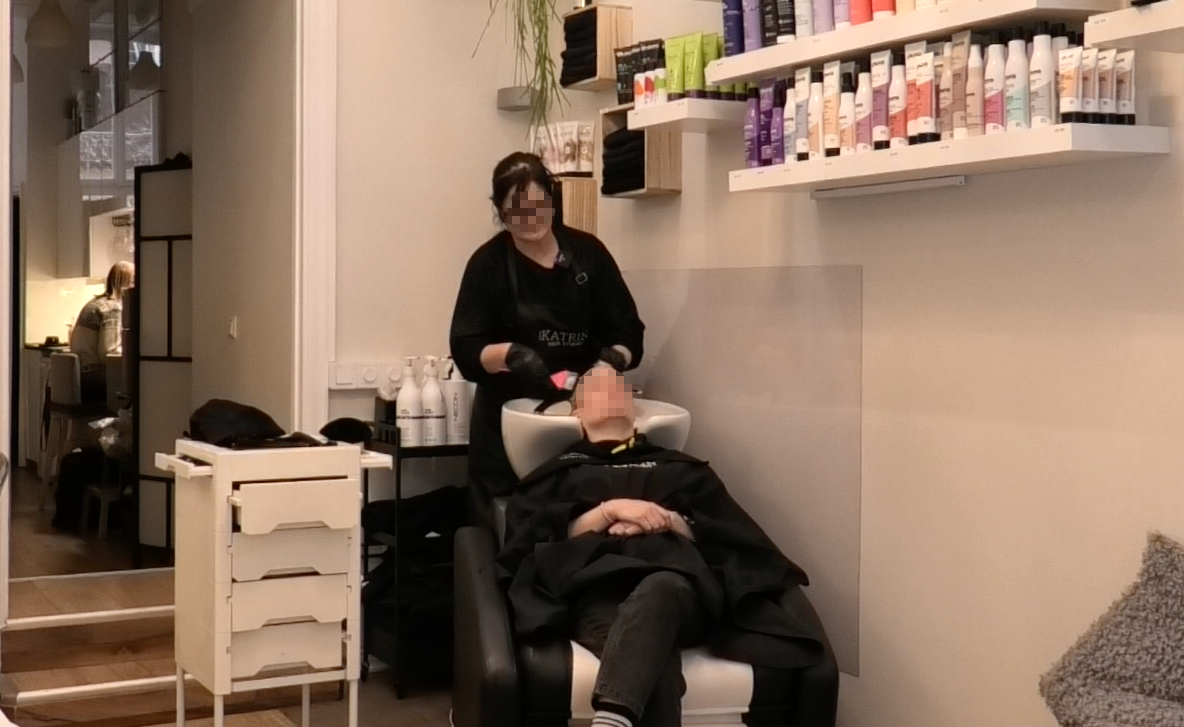
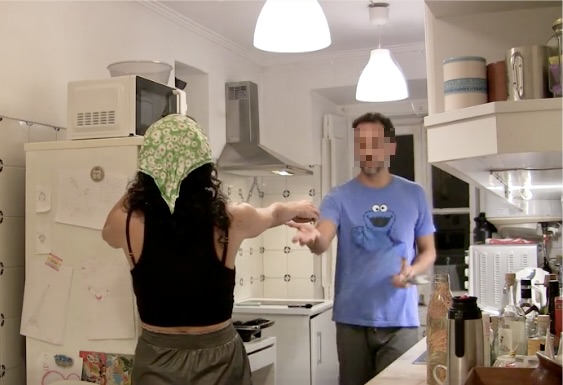
The project investigates grammar, embodiment, and multimodal sense-making across Swedish, German, Canadian, and Japanese contexts. Our datasets are diverse, comprising multiple types of settings and interactions, such as joint cooking, dance and pilates classes, physiotherapy and personal training sessions, and hairdresser appointments. Data come from both first language and second language interactions.