Project members
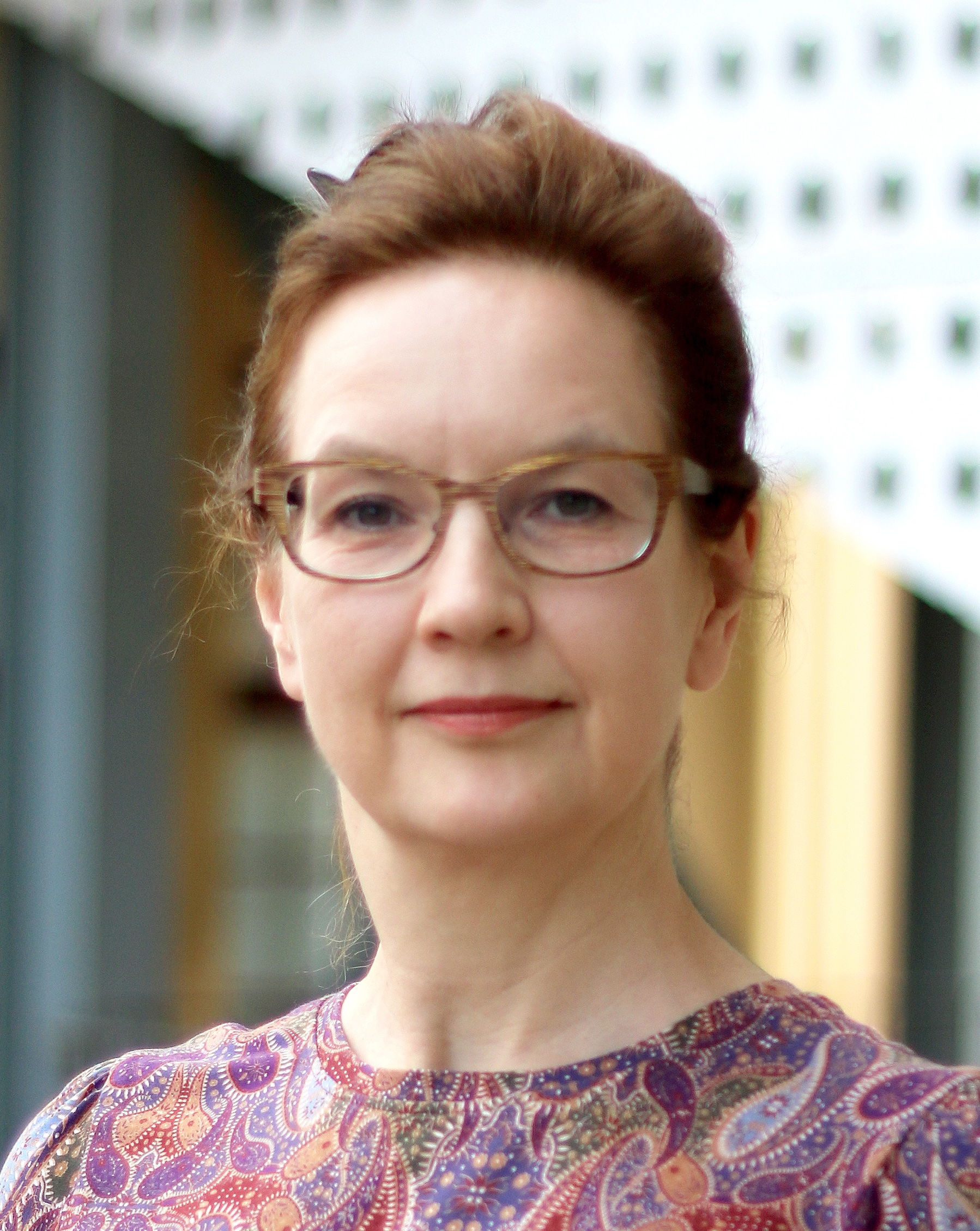
Leelo Keevallik (PI) is Professor of Language and Culture at Linköping University, Sweden. Her work has pioneered how sense-making practices are accomplished through people’s bodies, artefacts and movement in face-to-face interaction. With a primary interest in Estonian and Swedish, she has published on a range of cutting-edge topics in Conversation Analysis and Interactional Linguistics, such as the coordination of talk and dance, spatial deixis, bodily-vocal demonstrations and non-lexical vocalizations. She has also published extensively on core topics in grammar from a sequential and multimodal perspective, such as discourse particles, pro-adverbs of manner, interrogatives, imperative constructions, clause-combining, noun phrases, and grammaticalization. Within the Syntax and the Body project, she is currently focusing on the coordination of syntax, prosody, and the body in pilates courses, cooking activities, dance classes and manual work in stables as well as the maintenance of public spaces in Estonian and Swedish interaction.
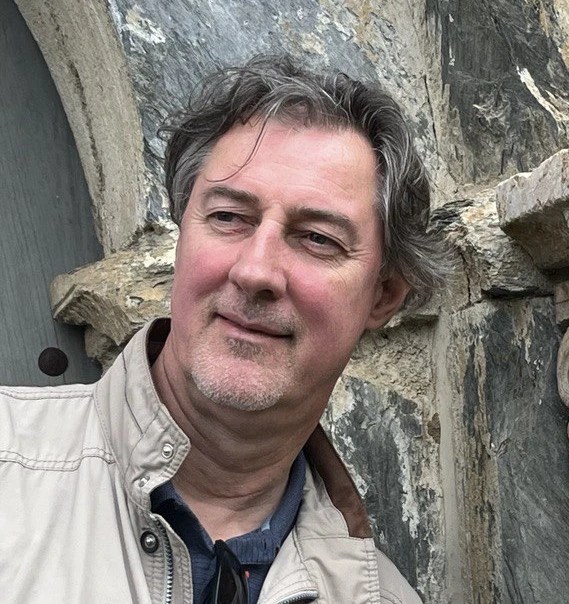
Arnulf Deppermann is head of the Pragmatics Department at the Leibniz Institute for the German Language (IDS Mannheim) as well as the program area “Interaction” and professor of German linguistics at the University of Mannheim, Germany. He has published extensively on topics such as meaning and intersubjectivity, cognition, narrative and identity, projection, syntax, semantics and temporality in multimodal interaction. He has conducted interdisciplinary research on an array of settings, such as theater rehearsals, pyschotherapy, and driving lessons, and played a central role in advancing methodological developments in conversation analysis, including longitudinal and collection-based approaches as well as the combination of qualitative and quantitative methods. In the Syntax and the Body project, he contributes strong expertise in syntactic analysis that foreground temporality, embodiment, and participant orientation.
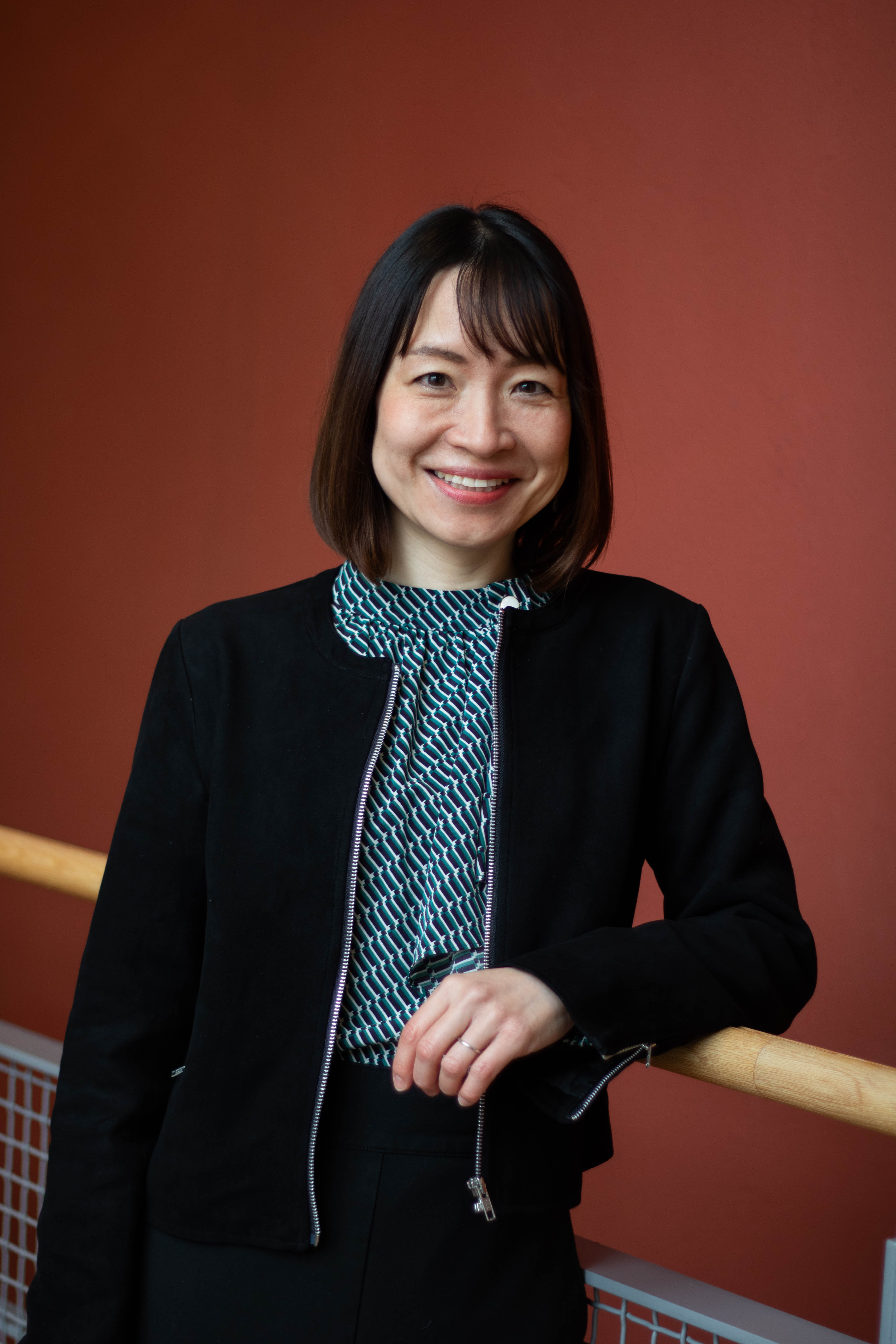
Eiko Yasui is Associate Professor at the Graduate School of Humanities at Nagoya University in Japan. She works primarily with Japanese and English interactional data and has published work on topics such as bodily demonstrations in sports and dance instruction, pointing gestures, interactional particles, reenactments, other-repetitions, and storytelling openings. Her work demonstrates how bodily conduct and spatial arrangements are integral to action formation and mutual understanding. In the Syntax and the Body project, she primarily investigates the use and synchronization of vocal and embodied resources in dance instruction and other joint activities in Japanese.

Xiaoting Li is Professor of Chinese Linguistics in the Department of East Asian Studies at the University of Alberta, Canada. She draws on the methods of Conversation Analysis and Interactional Linguistics to examine the fine-grained organization of Mandarin interaction, with particular attention to multimodality and syntax. Working primarily with Mandarin interactional data, her research has addressed topics such as touch in interaction, discourse markers, syntactically incomplete turns, truncated predicate complement constructions, preference, and facial expressions in face-to-face and mediated settings. Her publications include a book monograph Multimodality, Interaction, and Turn-taking in Mandarin Conversation (2014, John Benjamins), a co-edited book volume (with Tsuyoshi Ono) Multimodality in Chinese Interaction (2019, Mouton de Gruyter), and dozens of articles in journals, book volumes and encyclopedia. Her book monograph Multimodality in Chinese: Language, Body and Action in Mandarin Interaction is under contract with Cambridge University Press. Within the Syntax and the Body project, she works on syntax and embodiment in directives and argument structure Mandarin multi-party interaction.

Klara Skogmyr Marian is Associate Professor in Bilingualism at the Center for Research on Bilingualism at Stockholm University, Sweden. Working primarily with Swedish and French data, her research examines how participants deploy lexico-syntactic resources together with embodied conduct in real time, especially in multilingual and L2 settings. She has conducted studies on the use and emergence of multimodal assemblies in L2 French interaction, the organization of complaints and assessments, word searches, the development of interactional competence, epistemics in institutional interaction, as well as on combining corpus-based approaches with qualitative CA research. Within the Syntax and the Body project, she contributes expertise on how grammatical and embodied practices develop over time, strengthening the project’s cross-linguistic and L2 perspective.
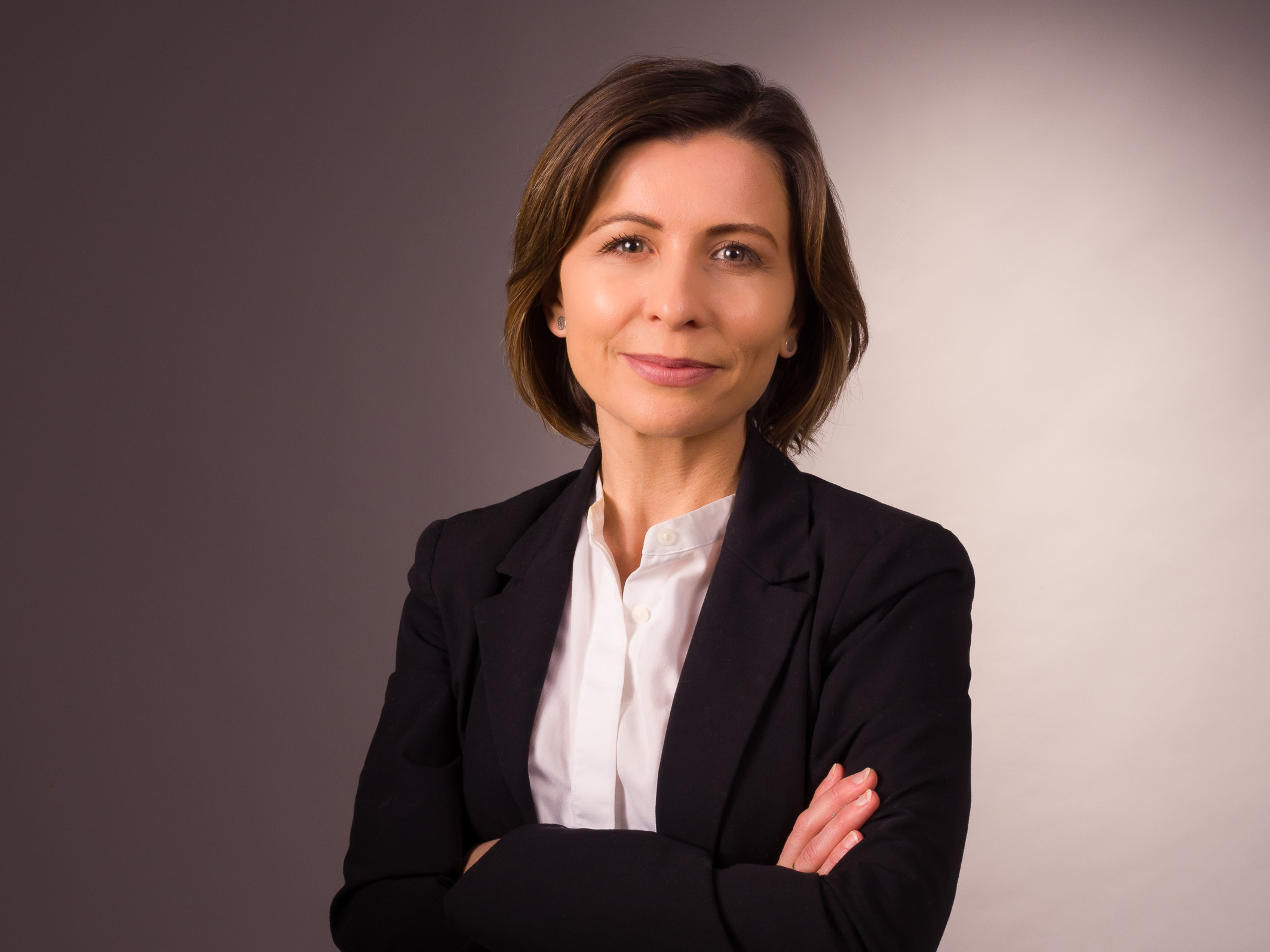
Taiane Malabarba is a research associate at the Leibniz Institute for the German Language (IDS Mannheim) and a postdoctoral researcher at the Center for Interactional Linguistics at the University of Potsdam, Germany. Her work examines how syntactic and embodied resources are deployed in face-to-face and technology-mediated interaction involving (multilingual/L2) speakers of English, Portuguese, and German across settings such as classrooms, service encounters, and video-mediated tutoring. She is particularly interested in interaction in institutional contexts, the longitudinal development of interactional competence, and the role of grammar in organizing practical activities. Her publications address topics including language policy, facial expressions and gesture, overlap resolution, repeats in multi-unit turns, and changes in interactional conduct in workplace settings where English is spoken as a lingua franca. Her focus in the Syntax and the Body project is argument-structure constructions in turns that organize practical activities in English and Portuguese.
Advisory Board
The project has an Advisor Board consisting of five senior scholars: Jan Lindström, Lorenza Mondada, Elwys de Stefani, Simona Pekarek Doehler and Yael Maschler.
 Syntax and the body: the structuring of language in multimodal sense-making